Skin Cancer Awareness Month: How Sun Damage Impacts Your Skin and What You Can Do About It
SKIN CANCER AWARENESS MONTH

May is recognized as Skin Cancer Awareness Month, a national initiative focused on educating individuals about the dangers of ultraviolet (UV) exposure, early detection of skin cancer, and the importance of protecting long term skin health. As warmer weather approaches and time spent outdoors increases, understanding how UV radiation affects the skin becomes more important than ever.
At NSI Wellness | Aesthetics, we believe prevention, education, and proactive skin health are essential components of both wellness and aesthetics. While many people associate sun exposure with tanning or cosmetic skin concerns, prolonged UV damage can significantly increase the risk of premature aging, hyperpigmentation, and skin cancer.
Why Skin Cancer Awareness Matters
Skin cancer is the most commonly diagnosed cancer worldwide. According to the World Health Organization, millions of non melanoma and melanoma skin cancer cases are diagnosed annually. UV radiation from sunlight and tanning beds remains the leading environmental risk factor associated with skin cancer development.
Many individuals assume sun damage only occurs after a visible sunburn. In reality, cumulative UV exposure gradually damages skin cells over time, even on cloudy days or during routine daily activities like driving or walking outdoors. This ongoing exposure contributes to:
- Hyperpigmentation
- Sunspots and age spots
- Uneven skin tone
- Fine lines and wrinkles
- Loss of collagen and elasticity
- Premature aging (photoaging)
- Increased skin cancer risk
Research suggests that up to 90% of visible skin aging is linked to chronic sun exposure.
Understanding Hyperpigmentation and Photoaging
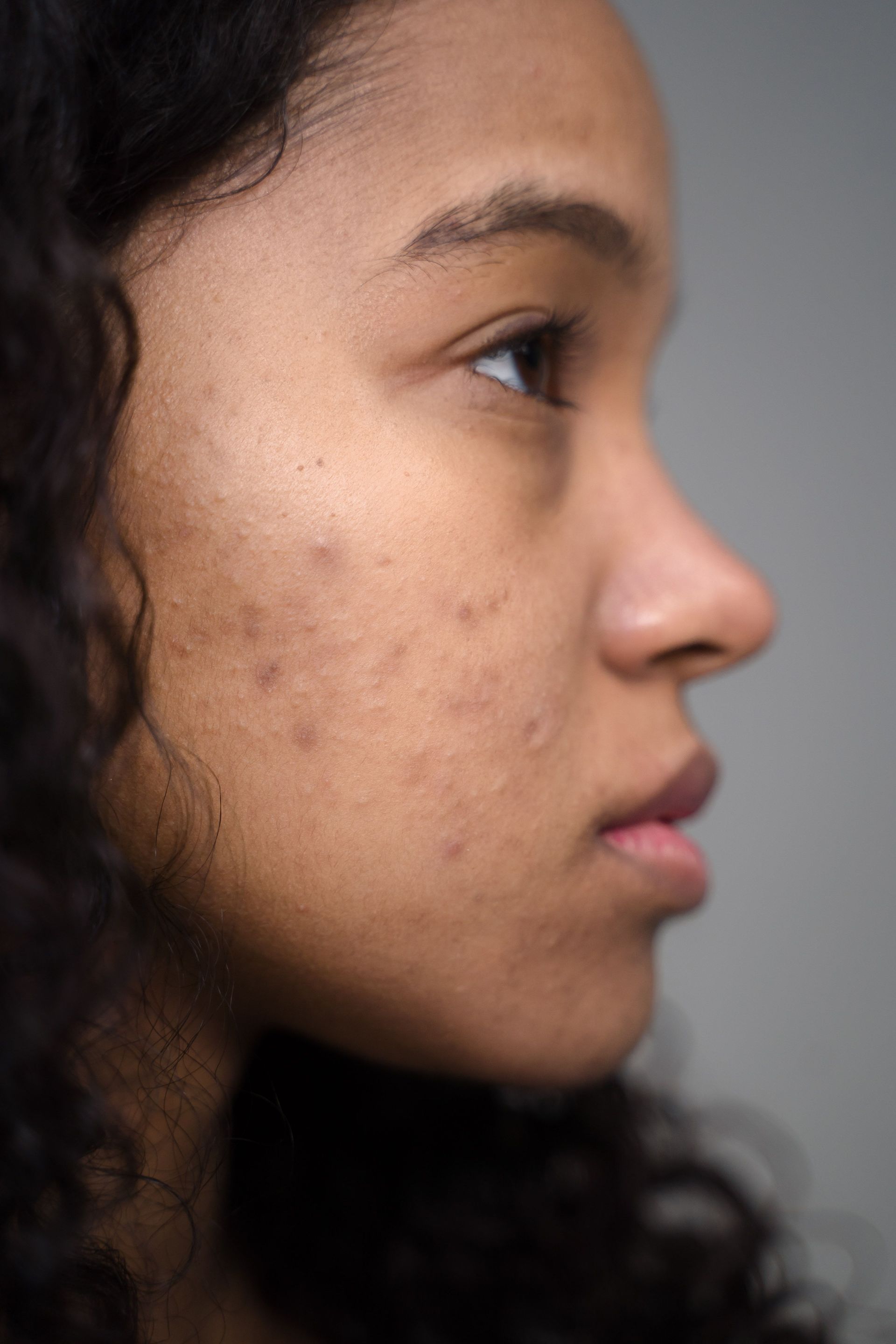
One of the most common concerns we see in aesthetics is hyperpigmentation. Hyperpigmentation occurs when UV radiation stimulates melanocytes, the pigment producing cells responsible for melanin production. This can lead to:
- Dark spots
- Sun damage
- Post inflammatory pigmentation
- Melasma
- Uneven complexion
Over time, UV exposure also accelerates collagen breakdown, weakening skin structure and contributing to rough texture, laxity, wrinkles, and dull appearing skin.
For many patients, these concerns become more noticeable during their 30s and 40s as cumulative sun damage begins surfacing at deeper levels within the skin.
Signs of Potential Skin Cancer
Early detection remains one of the most important factors in successful skin cancer treatment outcomes.
Patients should routinely monitor their skin for:
- New or changing moles
- Lesions that itch or bleed
- Spots that do not heal properly
- Rapidly changing pigmentation
- Irregular borders or asymmetry
Dermatologists commonly recommend the “ABCDE” rule when evaluating suspicious spots:
- A — Asymmetry
- B — Border irregularity
- C — Color variation
- D — Diameter
- E — Evolution or change over time
When melanoma is detected early, survival rates remain extremely high, making regular skin evaluations and prevention critically important.
How Aesthetic Treatments Can Help Repair Sun Damage
While prevention is essential, advanced aesthetic treatments can help improve visible signs of existing sun damage and support healthier skin regeneration.
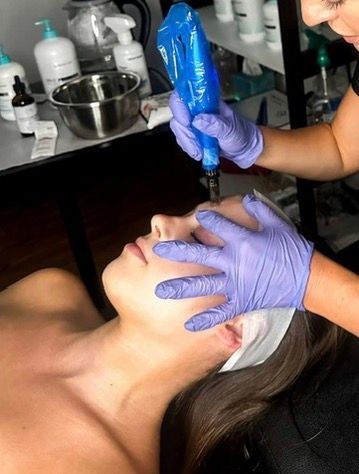
Microneedling for Sun Damage and Hyperpigmentation
Microneedling is one of the most effective minimally invasive treatments used to improve:
- Hyperpigmentation
- Uneven texture
- Fine lines
- Acne scarring
- Sun damaged skin
This treatment works by creating controlled micro injuries within the skin, stimulating the body’s natural healing response and increasing collagen and elastin production.
At NSI Wellness | Aesthetics, microneedling treatments are commonly incorporated into customized skin rejuvenation plans designed to improve overall skin clarity, tone, and texture.
Chemical Peels for Skin Rejuvenation
Chemical peels help exfoliate damaged outer layers of skin while accelerating cellular turnover and regeneration. Depending on the depth and formulation used, chemical peels may help improve:
- Sunspots
- Pigmentation
- Melasma
- Dull skin
- Fine lines
- Congestion and texture irregularities
When performed consistently and paired with medical grade skincare and proper SPF use, chemical peels can significantly improve long term skin health and overall skin appearance.
The Importance of Daily Sunscreen Use
One of the most effective ways to prevent both premature aging and skin cancer is daily sunscreen application.
Broad spectrum SPF helps protect against UVA and UVB radiation, reducing cumulative damage that contributes to:
- Skin cancer
- Wrinkles
- Hyperpigmentation
- Collagen breakdown
- Inflammation
Even small daily habits can have a substantial long term impact on skin health outcomes.
Skin Health Is Both Medical and Cosmetic
Skin health extends beyond aesthetics. Preventative skincare, early detection, and evidence based treatments all play a role in protecting the integrity and health of the skin over time.
During Skin Cancer Awareness Month, individuals are encouraged to:
- Schedule regular skin evaluations
- Wear daily SPF
- Avoid tanning beds
- Monitor changing lesions
- Address visible sun damage early
- Invest in long term skin health
At NSI Wellness | Aesthetics, our physician-led approach combines wellness, aesthetics, and advanced skin rejuvenation treatments to help patients protect and restore healthier looking skin.
Frequently Asked Questions
Can sun damage be reversed?
While not all sun damage can be completely reversed, treatments like microneedling, chemical peels, medical grade skincare, and collagen stimulation therapies can significantly improve pigmentation, texture, and visible aging.
What are the first signs of sun damage?
Common early signs include dark spots, uneven tone, redness, fine lines, rough texture, and loss of elasticity.
Does sunscreen really prevent aging?
Yes. Daily sunscreen use is one of the most effective ways to prevent premature aging and reduce long term UV related skin damage.
What treatments help hyperpigmentation?
Microneedling, chemical peels, customized skincare regimens, and collagen stimulating treatments are commonly used to improve hyperpigmentation and uneven tone.
How often should I get a skin check?
Most dermatologists recommend annual skin evaluations, or more frequently for individuals with increased risk factors or a history of skin cancer.
Recent Posts