Acne Awareness: More Than Just a Breakout
National Acne Awareness Month
IT'S More Than Just a Breakout
June is National Acne Awareness Month, a time dedicated to raising awareness about one of the most common skin conditions affecting people of all ages.
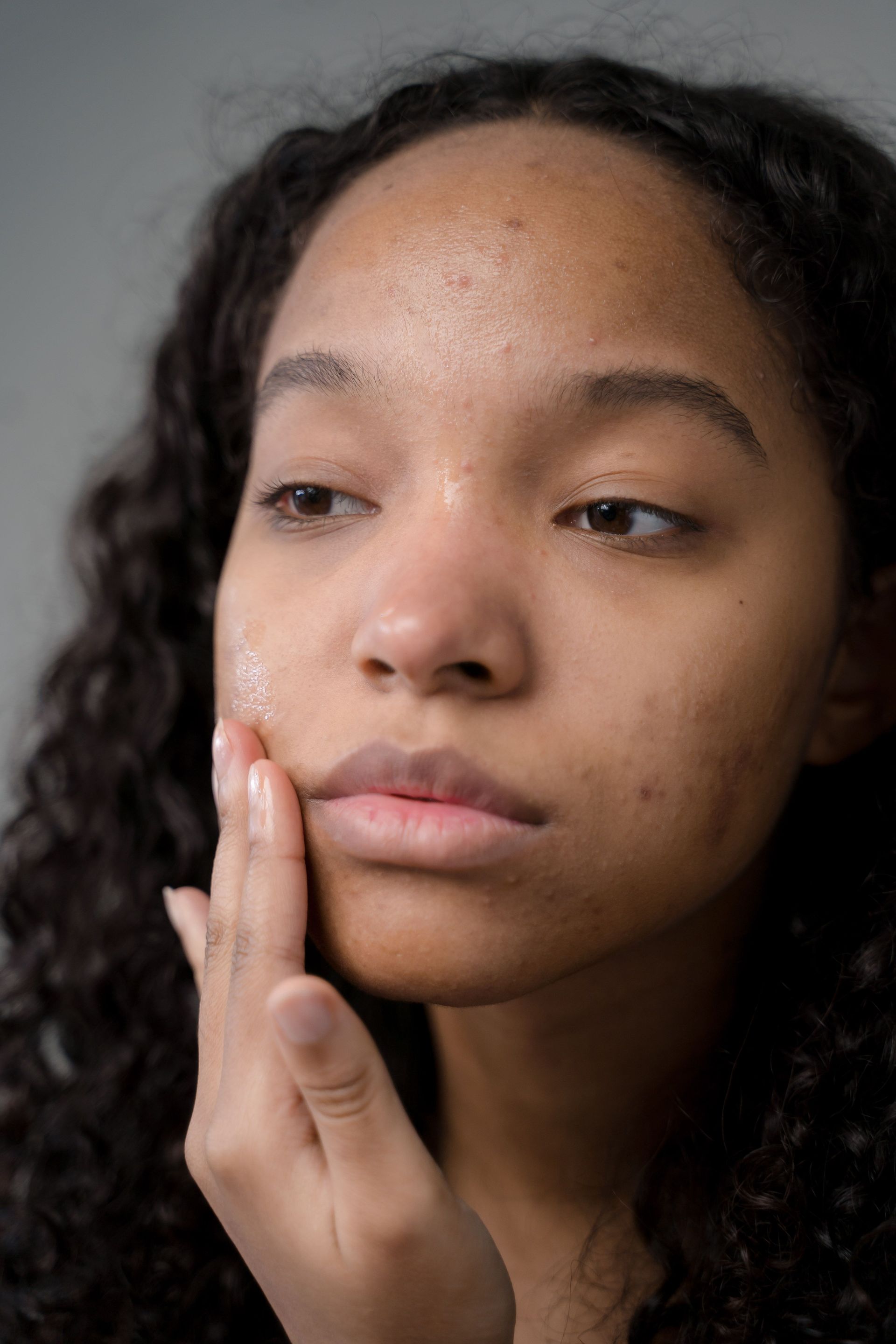
While acne is often associated with the teenage years, many adults continue to experience breakouts well into their twenties, thirties, forties, and beyond. For some, acne appears unexpectedly in adulthood. For others, it becomes an ongoing struggle that affects not only their skin but also their confidence and quality of life.
The truth is that acne is more than just an occasional breakout.
It's a complex skin condition that deserves understanding, support, and a personalized approach to treatment.
What Causes Acne?
Acne develops when hair follicles and pores become clogged with excess oil, dead skin cells, and bacteria. This combination can trigger inflammation and lead to various types of blemishes, including blackheads, whiteheads, papules, pustules, cysts, and nodules.
Several factors can contribute to the development of acne, including:
- Hormonal fluctuations
- Increased oil production
- Genetics
- Stress
- Certain medications
- Diet and lifestyle habits
- Inappropriate skincare products
- Environmental factors
Because every person's skin is unique, acne often presents differently from one individual to another. What works for one person may not work for someone else, making professional guidance an important part of achieving long-term improvement.
The Emotional Impact of Acne
Although acne is commonly discussed in terms of physical symptoms, its emotional effects can be just as significant.
Persistent breakouts, dark spots, and acne scars can affect self-esteem, confidence, and social interactions. Many individuals feel frustrated after trying countless over-the-counter products without seeing meaningful results.
If you've experienced these feelings, you're not alone.
Millions of people struggle with acne each year, and seeking professional support is not about vanity it's about improving your overall well-being and helping you feel comfortable in your own skin.
Professional Treatments for Acne-Prone Skin
Fortunately, there are effective treatment options available to help manage active breakouts while improving the overall health and appearance of the skin.
Acne Facials
Acne facials are designed specifically for congested, breakout-prone skin. These treatments help deeply cleanse the pores, remove impurities, calm inflammation, and support a healthier complexion.
HydraTING FacialS
HydraFacial treatments use gentle exfoliation, extraction, and hydration to cleanse the skin while replenishing essential moisture. For many individuals with acne-prone skin, HydraFacial can help reduce congestion and improve overall skin clarity without excessive irritation.
Chemical Peels
Chemical peels encourage healthy cell turnover by removing damaged surface cells and reducing pore congestion. They can help improve the appearance of active acne, post-inflammatory discoloration, and uneven texture when selected appropriately for your skin type.
Microneedling for Acne Scars
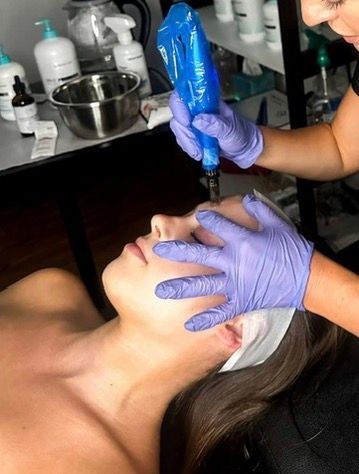
For those experiencing post-acne scarring, microneedling can be an effective option. By stimulating collagen production through controlled micro-injuries, microneedling helps improve skin texture and soften the appearance of acne scars over time.
The Importance of an At-Home Skincare Routine
Professional treatments often produce the best results when paired with a consistent, personalized home care regimen.
Medical-grade skincare products are formulated with effective ingredients designed to target the underlying causes of acne while supporting overall skin health.
Obagi Clenziderm System
The Obagi Clenziderm System is specifically formulated for acne-prone skin and can help address:
- Excess oil production
- Clogged pores
- Active breakouts
- Surface bacteria associated with acne
Obagi Retinol + PHA Refining Night Cream
Incorporating a retinol into your routine can help promote healthy cell turnover, improve skin texture, and minimize the appearance of post-acne discoloration over time.
Hydrate Light Moisturizer
Many individuals with acne-prone skin mistakenly avoid moisturizers. However, maintaining proper hydration is essential for supporting the skin barrier. Lightweight moisturizers such as Hydrate Light provide hydration without leaving the skin feeling heavy or greasy.
Daily SPF Protection
Sun protection should never be overlooked.
Daily use of SPF helps protect against ultraviolet damage and can help prevent post-inflammatory marks and discoloration from becoming darker and more noticeable. Consistent sunscreen use is one of the simplest yet most effective ways to support healthier skin.
Clearer Skin Starts with the Right Support
This National Acne Awareness Month, remember that acne is more than just an occasional breakout. It is a common medical skin condition that affects millions of people every year, regardless of age.
With the right combination of professional treatments, medical-grade skincare, and expert guidance, clearer and healthier-looking skin is possible.
Understanding your skin, identifying its unique needs, and seeking appropriate care can be the first steps toward lasting improvement,not only in your complexion but also in your confidence.
Frequently Asked Questions
Is acne only a teenage problem?
No. Adult acne is extremely common and can affect individuals well into adulthood due to hormonal fluctuations, stress, genetics, and other contributing factors.
What professional treatments help acne?
Acne facials, HydraFacials, chemical peels, and customized treatment plans can help improve active breakouts and overall skin health.
Can microneedling help acne scars?
Yes. Microneedling stimulates collagen production, which can help improve the appearance of certain types of acne scars over time.
Are medical-grade skincare products worth it?
Medical-grade products contain clinically effective ingredients and concentrations designed to address specific skin concerns, often providing more targeted results than traditional over-the-counter products.
Why is sunscreen important for acne-prone skin?
SPF helps protect the skin from UV damage and can prevent acne-related discoloration and dark spots from becoming more pronounced.
Recent Posts